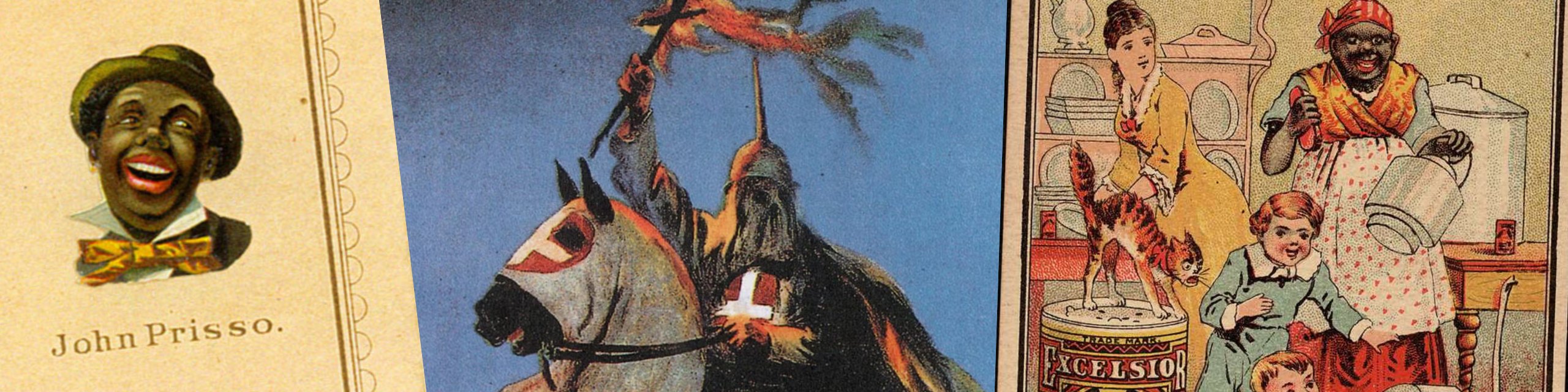
How the racial hierarchy evolved
Ending a law matters. It can create real change by ending the open exclusion of a group of people. But a law is only one part of what has been built. The money, habits, organizations, and balance of power shaped by that law may stay in place long after the words are removed.
This is one way racial hierarchy survives. A hierarchy is simply a system that places some groups closer to power and pushes others farther away from it. Race is not the only thing that shapes where someone stands. Money, disability, gender, immigration status, location, and many other parts of life matter too. But race has been used again and again in the United States to decide who was more likely to receive protection, opportunity, and the benefit of the doubt.
Writer Isabel Wilkerson uses the word caste to describe this kind of long-lasting social order. The larger point is not about choosing the perfect label. It is about seeing how a country can remove an old rule while keeping much of the same result through new rules and everyday practices.
Exhibit · Interactive
The mechanisms, then and now
Switch between then and now, then select any mechanism to read what it became.
“The mechanisms as they began.” / “What each one became.”
Caste framework drawn from Isabel Wilkerson, Caste: The Origins of Our Discontents
Remember, Black midwives weren’t banned with one law that simply said, "Black women can no longer practice." Instead, new licensing rules, education requirements, and public health campaigns gradually changed who was recognized as a legitimate birth professional. The language was about modernization and safety. The result was that many experienced Black midwives lost the ability to continue the work they had done for decades.
Ending segregation meant Black patients could legally enter the same hospitals as white patients, but it didn’t guarantee those hospitals would be built in the same neighborhoods (or even nearby), provide the same range of services, or hire the same quality of staff. The law changed. Many of the decisions that shaped people’s experiences inside those hospitals continued evolving over time.
Pregnancy and birth don’t happen separately from the rest of life. They happen inside neighborhoods, school systems, transportation networks, insurance systems, workplaces, and hospitals that were all shaped over many generations. That’s one reason maternal health cannot be understood by looking only inside the exam room.
Ending an unfair law matters. It changes what is legally allowed to happen. But changing a law and changing the conditions created by that law aren’t always the same thing. Looking at how those conditions continue — or don’t — helps us understand why some gaps remain, even after so much progress has been made.
Get new chapters and updates →
Sources 1 entry
- Caste framework adapted from Isabel Wilkerson, Caste: The Origins of Our Discontents (Random House, 2020). The sixteen then-and-now pairings are the exhibition’s own.