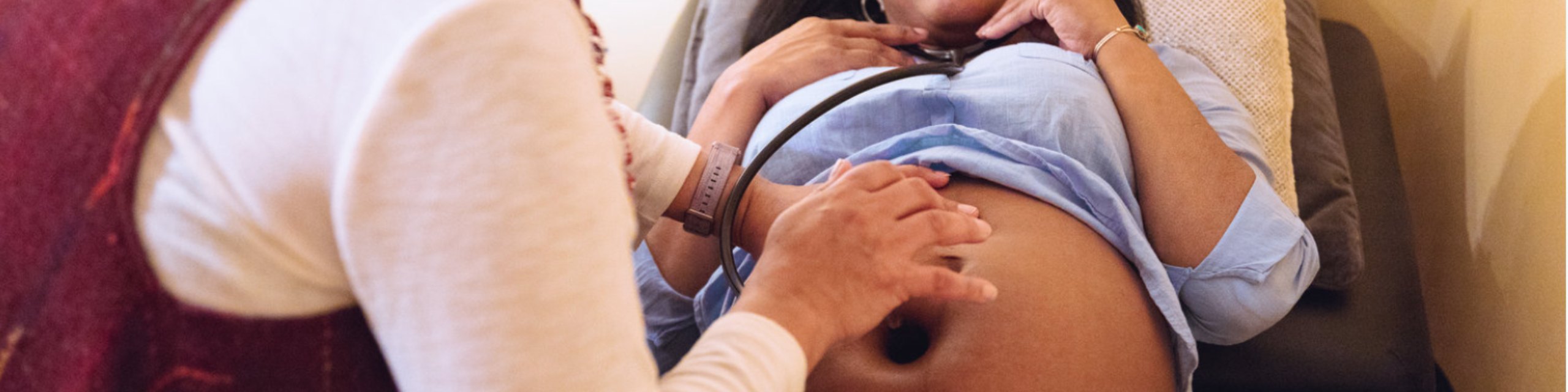
The midwives and changemakers carrying this forward
This exhibition opened by looking at Black midwives whose work shaped pregnancy and birth in America for generations before they were systematically pushed out of the profession. It feels fitting to end by turning our attention to the people helping build that future again.
The midwives featured here are caring for families, training the next generation, opening birth centers, preserving traditional knowledge, advocating for policy change, conducting research, and imagining new ways of providing care. Some work inside hospitals. Others work in homes, birth centers, classrooms, and communities. Together, they’re helping expand what birth can look like in America.
This list is only a beginning. There are many more midwives, birthworkers, and community leaders than could ever fit within one exhibition. We hope you’ll take time to learn about their work, follow them, support them, and continue discovering others whose contributions deserve to be known.
12 of the many Black midwives rebuilding this profession
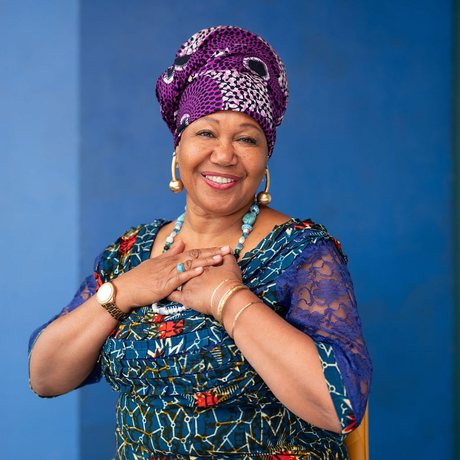
Shafia Monroe
Founder of the International Center for Traditional Childbearing; historian and mentor.
@shafiamonroe ↗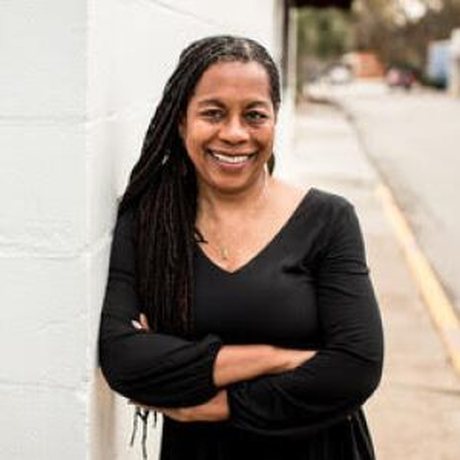
Jennie Joseph
Founder of Commonsense Childbirth; creator of The JJ Way® and a policy leader in birth equity.
@iamjenniejoseph ↗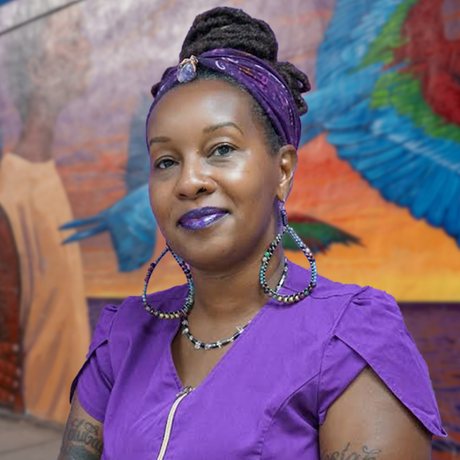
Jamarah Amani
Community midwife and co-founder of the Southern Birth Justice Network.
@southernbirthjustice ↗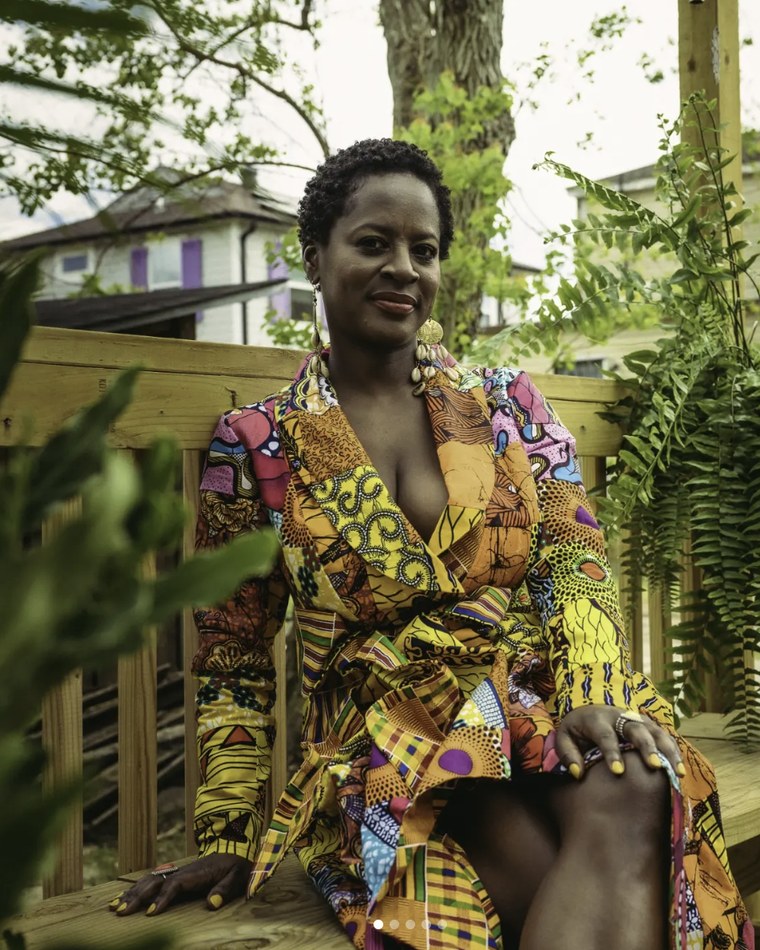
Nicole Deggins, CNM
Founder of Sista Midwife Productions; created the Black Midwife and Doula Directory, the largest of its kind, free to search and free to be listed in.
@sistamidwife ↗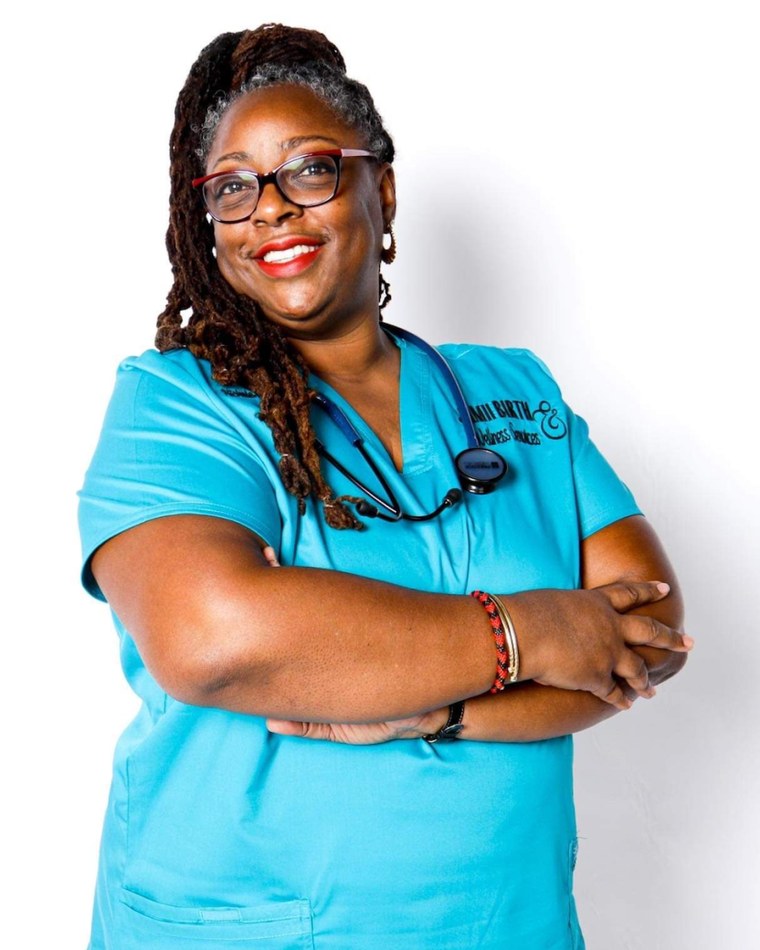
Nichole Wardlaw, DNP, CNM
Founder of Jamii Birth and Wellness Services, a home birth practice in coastal Virginia; board chair of the National Black Midwives Alliance. A midwife since 2005.
@jamiibirthandwellness ↗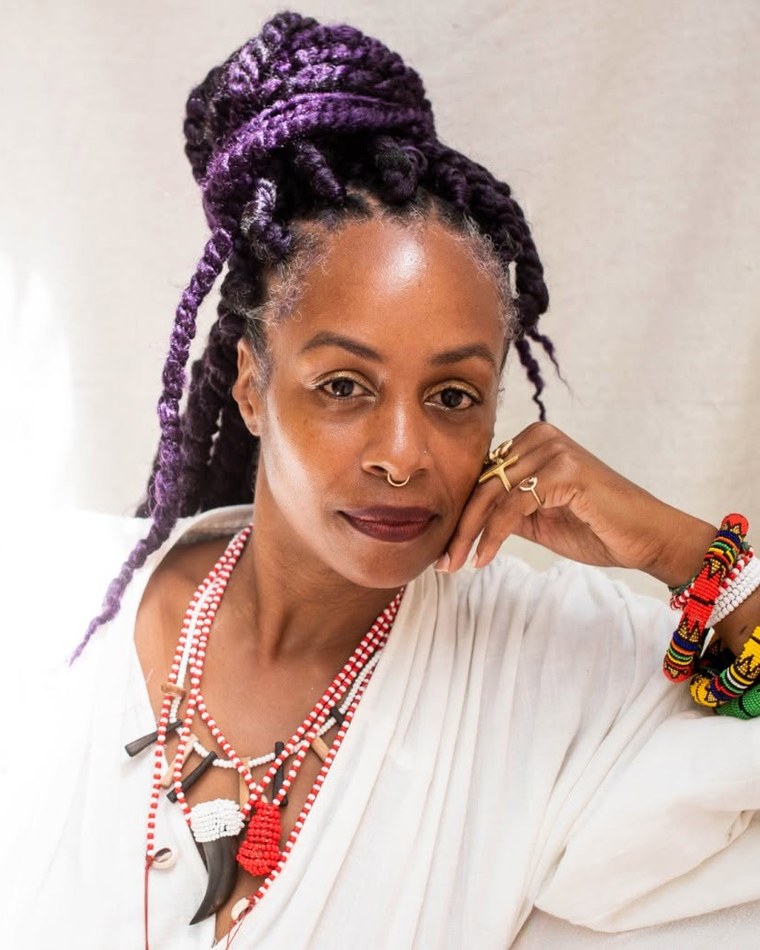
Racha Tahani Lawler Queen
LA-based midwife who opened Virginia's only Black-owned birth center in 2024.
@rachatahani ↗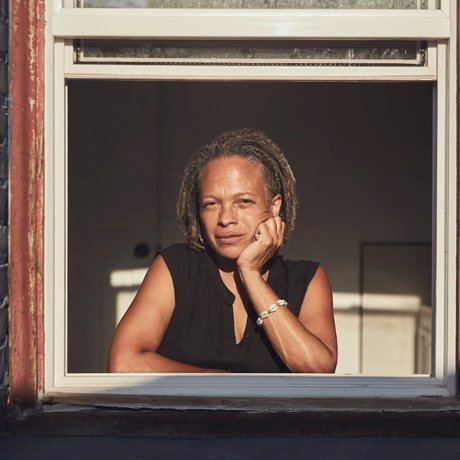
Kimberly Durdin
Co-founder of Kindred Space LA; lactation consultant, doula trainer, and advocate.
@kindredspacela ↗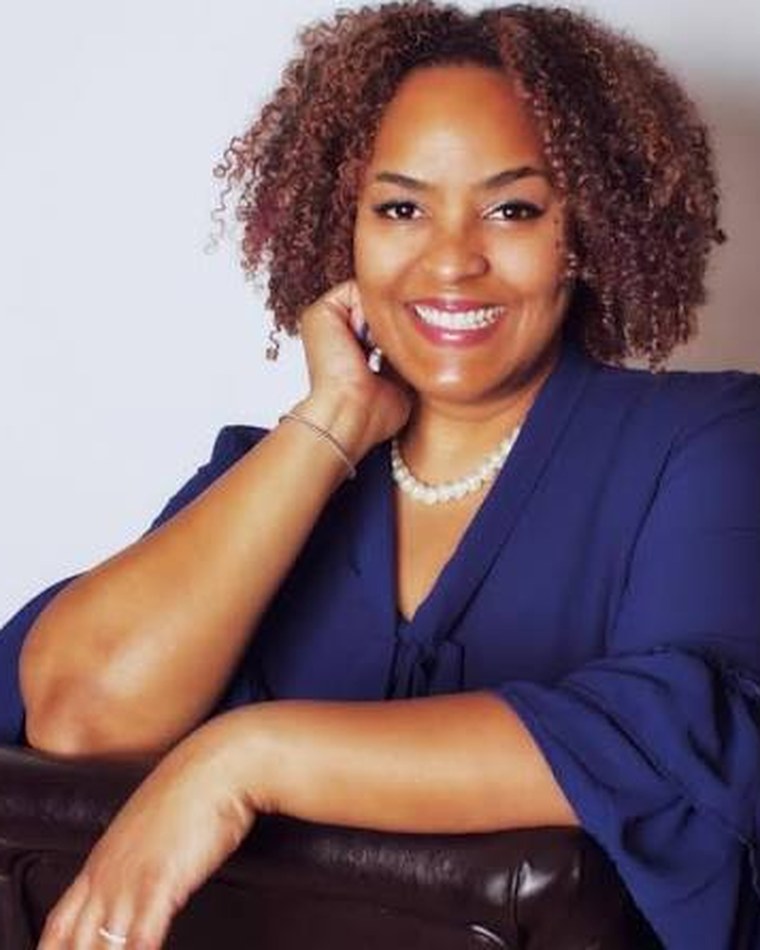
Nikki McIver-Brown, APRN, MSN, CNM
Founder of San Antonio Nurse Midwife Birth & Wellness Center, the only Black-owned birth center in southern Texas. A labor and delivery nurse for thirteen years before she became a midwife.
@sanantonionursemidwife ↗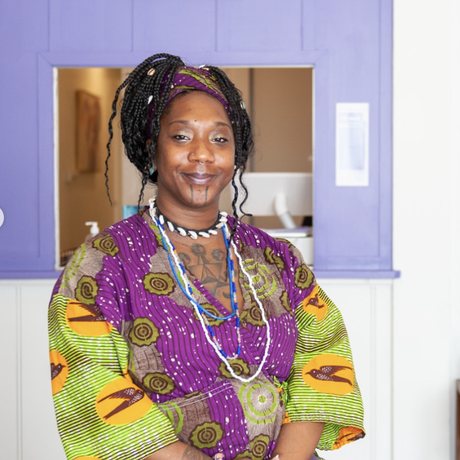
Okunsola M. Amadou
Founder & CEO Emeritus of Jamaa Birth Village and the African Indigenous Midwifery Museum; Missouri’s first Black Certified Professional Midwife.
@jamaabirthvillage ↗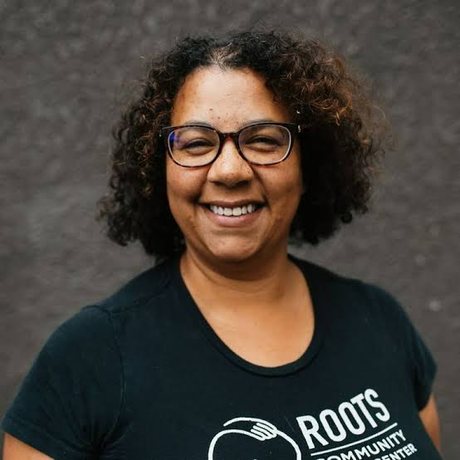
Rebecca Polston
Founder of Roots Community Birth Center in Minneapolis, and Minnesota's first Black Certified Professional Midwife.
@rootsbirthcenter ↗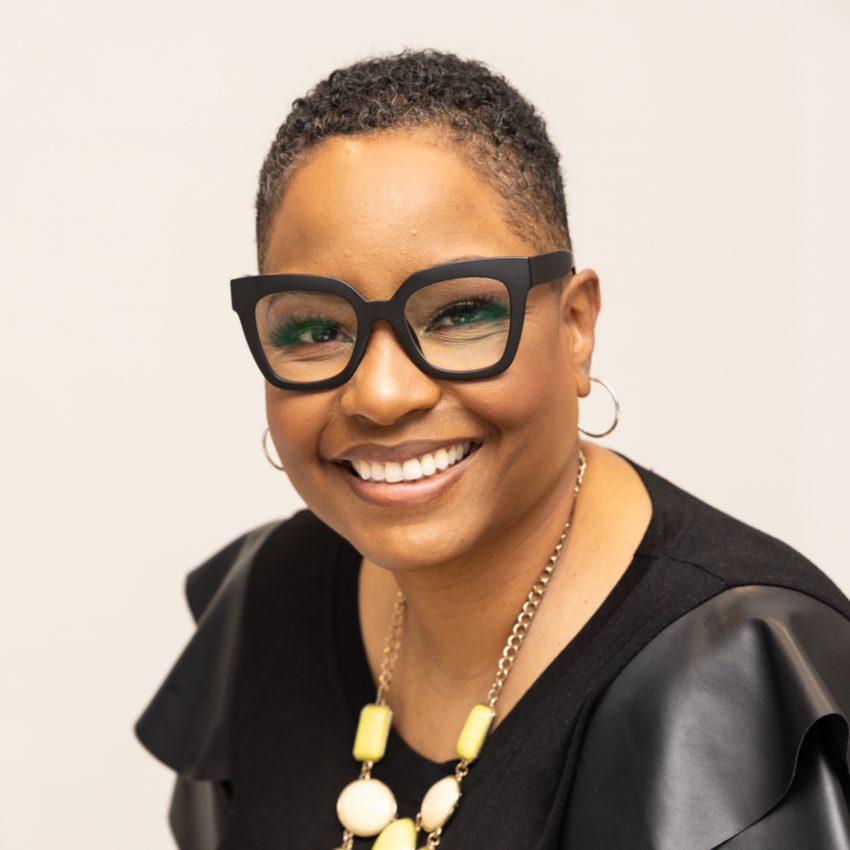
Nikia Grayson
Chief Clinical Officer at CHOICES in Memphis; opened the city’s first birth center and launched the nation’s first Black midwifery fellowship.
@nikiagrayson_midwife ↗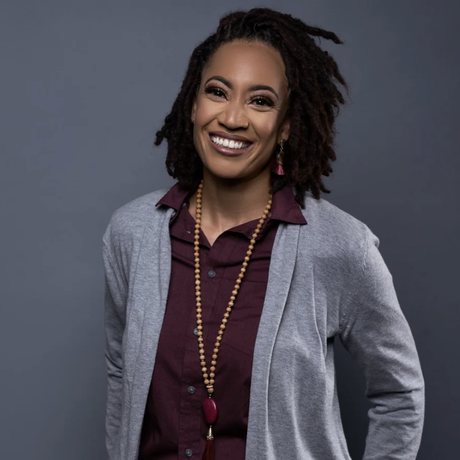
Stephanie Mitchell
Certified nurse-midwife and founder of Birth Sanctuary Gainesville.
@doctor_midwife ↗No individual midwife, physician, doula, researcher, or educator can change a system alone.
The organizations featured here remind us that lasting change almost always happens collectively. Some are training the next generation of birthworkers. Some are fighting for licensure, reimbursement, and policy change. Others fund community programs, conduct research, preserve history, advocate for families, or build networks of care that simply didn’t exist a generation ago.
Many of the changes people hope to see in maternal health — better outcomes, stronger communities, greater access to midwifery, more equitable care — depend on this kind of work happening behind the scenes. Policies have to change. Funding has to shift. Laws have to evolve. Relationships have to be built. These organizations are helping make that possible.
Alliances & institutions
National Black Midwives Alliance
A Black midwife–led alliance honoring the legacy, building the power, and amplifying the voice of Black midwives — through mentorship, scholarships, and Black Midwives Day.
National Association to Advance Black Birth
Advocacy, research, and the Black Birthing Bill of Rights, confronting structural racism in maternal-infant health. Formerly the International Center for Traditional Childbearing.
National Perinatal Task Force
Jennie Joseph's grassroots movement growing Perinatal Safe Spots in every "materno-toxic area" — judgment-free access to care where poor birth outcomes cluster.
Black Mamas Matter Alliance
A Black women-led alliance that sets the national agenda on Black maternal health — research, policy, and the annual Black Maternal Health Week. Much of the language other organizations now use started here.
The Mothers of Gynecology Health and Wellness Museum and Clinic
Michelle Browder’s project at 33 S. Perry Street in Montgomery, Alabama — the site where J. Marion Sims operated on Anarcha, Betsey, Lucy and other enslaved women. Her 15-foot monument to the three has stood nearby since 2021; the museum and clinic are being built on the ground itself, as a place for midwives, doulas and medical students to learn.
African Indigenous Midwifery Museum & Library Research Institute
A global first — a cultural heritage museum in Ferguson, Missouri, dedicated to preserving, honoring, and uplifting the legacy of African Indigenous and Black Diasporic midwives. Through immersive exhibits, artifacts, oral histories, and research archives, the museum offers an intergenerational historical journey into the many sacred birth practices across Africa and the Diaspora.
Ancient Song Doula Services
Founded in Brooklyn in 2008 by Chanel Porchia-Albert and now working nationally — full-spectrum doula care on a sliding scale with no family turned away, community doula training, and the policy fight for Medicaid reimbursement.
Started with one person
4Kira4Moms
Founded in 2017 by Charles Johnson IV after his wife, Kira Dixon Johnson, bled internally for more than ten hours following a routine cesarean while staff dismissed his concerns. Its Maternal Mortality Response Team reaches affected families within 24 hours; the Kira Johnson Act carries her name into federal law.
Baby Yams
Baby Yams, founded by actress and Black maternal health advocate Tatyana Ali, offers quilted goods for the nursery. With a portion of proceeds supporting Black and Indigenous midwives and doulas, the brand was created to raise awareness by honoring mothers and the community of birth workers that hold them.
birthFUND
Elaine Welteroth founded birthFUND in April 2024 after her own home birth, matching individual funders with families who cannot meet the out-of-pocket cost of midwifery care. More than $3 million raised, and grants placed through Birth Center Equity and The Victoria Project.
Serena Williams
Her account of the day after her first daughter’s birth opens Chapter 12 of this exhibition. She has since co-founded birthFUND with Elaine Welteroth and spoken publicly, repeatedly, about what it took to be believed — “having babies in America was a wake-up call for both of us.”
The WELLS Act
Mercedes Wells was discharged from an Indiana hospital in active labor and gave birth in her truck on the side of the road. Rep. Robin Kelly announced the WELLS Act in her honor in November 2025 — it would require hospitals to implement a safe discharge labor plan, and includes racial bias training for healthcare professionals.
She Runs the World
Allyson Felix was diagnosed with severe pre-eclampsia at 32 weeks and delivered by emergency C-section. When her sponsor proposed cutting her pay by nearly 70%, she refused a private deal and demanded maternal protections for every athlete. The 2025 documentary tells it, and the campaign around the film funds midwifery care.
Law, policy & research
Elephant Circle
A Colorado birth justice organization founded by Indra Lusero, JD — named for the way elephants give birth inside a circle of support. Architect of Colorado’s 2021 Birth Equity legislation, and of the 2010 bill that ended the shackling of incarcerated people during pregnancy and birth in that state.
Birth Rights Bar Association
Legal advocates building the case law and the arguments that birth justice needs, because no law school teaches it. Publishers of Birth Rights, a plain-language guide for people defending their human rights during labor and birth.
Birth Place Lab
Saraswathi Vedam’s research lab at the University of British Columbia. Its Giving Voice to Mothers study established that mistreatment during childbirth in the U.S. differs significantly by race, and its MADM and MORi scales — measures of autonomy and respect, designed with patients rather than about them — are now used in more than sixty countries.
Funding & access
Birth Center Equity
Investing in Black, Indigenous, and people-of-color–led birth centers at scale — a birth center for every community. Led by CEO Leseliey Welch.
Sista Midwife Productions
Founded by Nicole Deggins, CNM, in 2011. Runs the largest Black midwife and doula directory online at blackmidwifedirectory.com — free to search and free to be listed in — alongside doula training and birth-advocacy education. If you are looking for care rather than a way to contribute, start here.
Irth
Kimberly Seals Allers’s review app — “birth, without the B for bias.” Black and brown parents rate hospitals and providers on how they were actually treated, from prenatal care through a baby’s first year, and the reviews become data the partner hospitals are shown.
One of the most powerful ways to continue learning is to spend time with the stories of the people who have lived this history and are still moving it forward today.
The films, documentaries, interviews, and videos featured here offer a chance to hear directly from midwives, families, historians, researchers, and birthworkers. Some look back at the era when Black midwives were deliberately pushed out of practice. Others follow the work of today’s birthworkers as they rebuild community-based models of care, challenge long-standing inequities, and imagine something different for the generations that follow.
Books and research can teach us a great deal (be sure to check out the full Watch, listen, read section on our home page). Something about film is special, though, isn’t it? We see people’s faces. We hear their voices. We witness the joy, frustration, resilience, and determination that can be difficult to capture on a page.
We hope these stories encourage you to keep asking questions, keep learning, and keep listening to the people whose lives and work continue shaping the future of birth.

All My Babies: A Midwife's Own Story
1953 · Dir. George C. Stoney · 19 min
Watch →
Aftershock
2022 · Dir. Paula Eiselt & Tonya Lewis Lee · Hulu
Watch →
Deliver Us
2022 · Dir. Jenny Callaghan & Randi Matthews
Watch →
With Woman
2023 · Dir. Mia Harvey · The Guardian · 20 min
Watch →
HOMEbirth
2026 · Dir. Carra Patterson & Korey Jackson · Short
Watch →
In These Hands
In production · Dir. Eva Woolridge
Watch →This exhibition is far from everything! In many ways, this exhibition is an invitation, not just to learn, but to do.
So keep going. Read further than we could fit into these chapters. Pay attention to how things actually work where you are — who writes the policies, who reviews them, what happens to a concern after someone raises it. Look for the place where your particular position gives you some room to move, and start there. Look for others in your community who are doing the work. Listen first. Take it in when they say what they need. Apply it.
Try things. Some of the things you try won’t work. That’s the process. Then you can go back, work out why, adjust, and get going again.
Exhibit · Checklist
What to carry forward
A working list. Check anything that belongs in the next stretch of the work.
Keep learning
Look at how things work where you are
Find where you fit
Nothing marked.
Source · The list is the exhibition’s own, drawn from the organizations and practitioners named in this chapter.
Others who came through this exhibition have left something behind. Read the visitor book, and add to it if you want to.
Get new chapters and updates →
Sources 1 entry
- PENDING — portraits supplied by each midwife or their practice. Photographer credit and permission to be confirmed per image before launch.